The Timeless Appeal of Handwritten Typography in Design
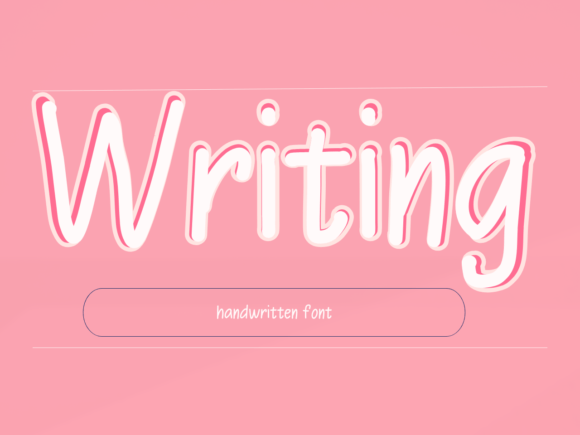
In a digital landscape saturated with sleek, geometric sans-serifs, a beautifully crafted handwritten font like Writing can instantly break through the visual noise. This elegant typeface isn't just letters on a page; it's a tool for infusing personality, warmth, and a human touch into your creative projects. For designers, marketers, and brand builders, understanding how to leverage such a resource is key to creating memorable and effective visual communication.
Why Handwritten Fonts Matter in Modern Graphic Design
Typography is a cornerstone of visual design, and the choice of font profoundly impacts a project's tone and audience perception. While minimalist fonts excel in clarity and modern aesthetics, a font like Writing offers something different: emotional resonance. Its unique, flowing characters evoke feelings of authenticity, creativity, and approachability. This makes it invaluable for designs that aim to connect on a personal level, moving beyond sterile perfection to embrace the beauty of human imperfection. In an era where consumers crave genuine brand interactions, this tactile quality can significantly strengthen a brand identity.
Practical Applications for the Writing Font
The versatility of a well-designed handwritten font allows it to shine across numerous creative domains. Its application extends far beyond a simple logo, influencing the entire user experience and visual hierarchy of a design system.
- Branding & Logo Design: Use it to craft a distinctive wordmark or as a secondary font for taglines, adding a signature feel to a brand's identity.
- Marketing & Social Media Graphics: Create eye-catching headlines for Instagram stories, Facebook ads, or email campaigns that demand attention and convey a friendly, relatable voice.
- Editorial & Web Design: Apply it to pull quotes, chapter titles, or hero sections to add a layer of sophistication and storytelling to layouts.
- Packaging & Merchandise: Enhance product labels, greeting cards, or apparel with a handwritten touch that suggests craftsmanship and care.
- Digital Products & Presentations: Elevate the look of PDF guides, slide decks, or website UI elements to create a more polished and professional presentation.
Tips for Effective Implementation
Integrating a decorative font like Writing requires a thoughtful approach to maintain readability and visual balance. Always consider your audience and design goals. For instance, it's perfect for a bakery's logo but might not suit a corporate law firm's primary header.
Use it strategically to establish a clear visual hierarchy. Pair it with a simple, neutral serif or sans-serif for body text to ensure your message remains legible. Test the font at various sizes to confirm scalability, especially for digital applications. Ensure the font's style aligns with your existing color palette and imagery to create a cohesive and professional result. By viewing typography as an integral part of your design workflow—not just an afterthought—you can harness its full potential.
Ultimately, the power of a creative asset like the Writing font lies in its ability to elevate a design from merely informative to genuinely impactful. Thoughtful selection and application of typography, color, and composition are what separate good design from great design. Investing in high-quality creative resources empowers you to build stronger brand narratives, enhance user engagement, and execute your creative vision with clarity and distinction.