Toy Story Font: A Whimsical Boost for Modern Design
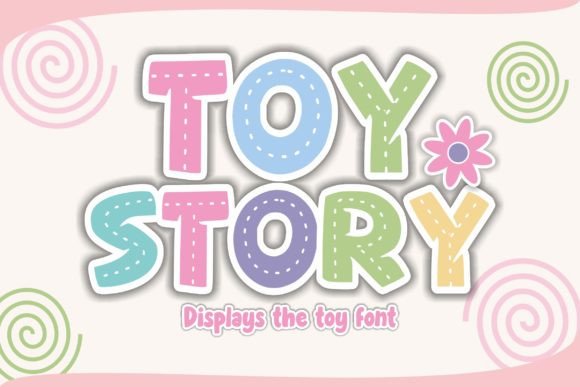
Every designer seeks that perfect element that injects immediate personality and energy into a project. Toy Story, a cheerful and modern display font, delivers exactly that—a burst of colorful fun and optimism that can transform a standard design into something memorable and engaging.
In the realm of graphic design and typography, the choice of typeface is a fundamental pillar of visual communication. It’s not merely about legibility; it’s about voice, mood, and instant connection. A font like Toy Story, with its playful yet clean aesthetic, serves a specific and powerful role. It acts as a creative asset that can set the tone for an entire brand identity or campaign, making it a valuable tool for designers, marketers, and creators aiming to evoke excitement, hope, and a sense of modern whimsy.
Strategic Applications in Visual Projects
Understanding where and how to deploy a typeface with this character is key to its effectiveness. Its strength lies in applications where capturing attention and conveying a friendly, approachable vibe is paramount.
- Branding & Logo Design: Ideal for brands targeting families, children’s products, educational services, or any business wanting to project a fun, accessible, and innovative image. It can become the cornerstone of a vibrant brand identity.
- Marketing & Advertising: Perfect for creating eye-catching headlines on posters, flyers, and digital ads. It grabs attention in a crowded space, making it excellent for event promotions, seasonal sales, or product launches.
- Social Media & Digital Content: Enhances the visual hierarchy of Instagram posts, YouTube thumbnails, and TikTok graphics. Its pop of color and distinctive style can significantly boost engagement and shareability.
- Packaging & Merchandise: Brings a delightful touch to product packaging, stickers, labels, and merchandise like t-shirts or tote bags, helping products stand out on the shelf and in online stores.
Integrating a Playful Font into a Professional Workflow
While a font like Toy Story offers immense creative potential, its successful integration requires thoughtful application. It’s a tool for emphasis, not necessarily for body text. Here are practical considerations for using it effectively:
- Define the Context: Always align the font’s personality with your project’s goals and audience. Is the tone celebratory, youthful, or innovative? Toy Story excels in these areas but may not suit formal corporate reports.
- Maintain Visual Hierarchy: Use it for headlines, subheadings, or call-to-action buttons to create focal points. Pair it with a neutral, highly readable sans-serif or serif font for body copy to ensure clarity and balance.
- Consider Color and Composition: The font’s cheerful nature is amplified by a complementary color palette. Pair it with bright, optimistic hues or use it as a contrasting element against a more subdued background. Ensure the overall composition remains clean and uncluttered.
- Test for Scalability and Readability: Always preview your design at various sizes, from a small mobile screen to a large printed poster. Ensure the letterforms remain clear and impactful in every context.
Ultimately, the power of a well-chosen design asset like this lies in its ability to streamline your creative process while elevating the final output. It provides a ready-made solution for injecting specific emotions and visual styles, saving time in the search for the right aesthetic. By thoughtfully selecting typography and other creative resources, designers and creators can craft more cohesive, professional, and resonant visual stories that not only look fantastic but also communicate more effectively with their intended audience.